
How AI Is Influencing Fantasy Character Creation in Manhwa Art
Manhwa has always leaned into imagination. Long before digital workflows became common, artists exaggerated emotion, bent anatomy, and built worlds that felt heightened rather than realistic. Fantasy was never a genre add-on. It was the foundation.
That’s why AI’s growing presence in manhwa art doesn’t feel like a disruption. It feels like a continuation.
AI isn’t replacing artists or redefining what manhwa is supposed to be. Instead, it’s influencing how fantasy characters are explored, tested, and refined before they ever appear in a finished panel. The shift is subtle, but once you notice it, it’s hard to ignore.
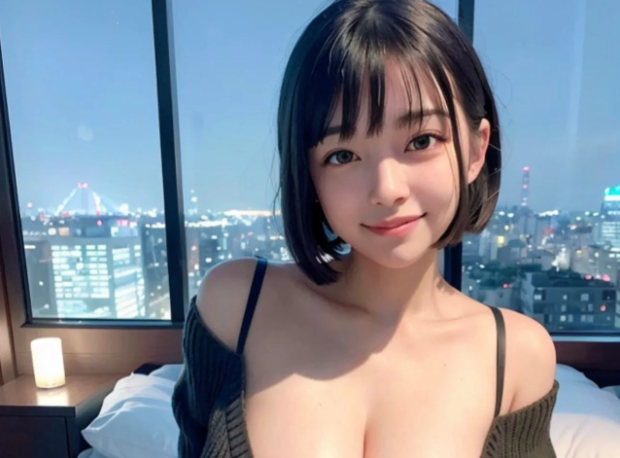
Fantasy Has Always Been the Driving Force
Manhwa rarely aims to mirror reality. Characters are designed to communicate power, tension, or vulnerability at a glance. A silhouette or expression often does more work than technical detail ever could.
Because realism isn’t the priority, experimentation has always been encouraged. This is where AI fits naturally. It supports variation and exploration rather than locking artists into fixed outcomes.
Fantasy-first art doesn’t resist new tools. It absorbs them.
AI Appears Early in the Creative Process
There’s a common assumption that AI is used to produce finished artwork. In reality, most creators use it much earlier.
AI-generated visuals often function like fast concept sketches. Artists test ideas. Different outfits. Adjusted proportions. Alternative expressions. None of these are meant to be final. They’re visual thinking tools.
This mirrors traditional sketching, just faster. Instead of spending hours drawing variations by hand, creators can explore many directions quickly and move forward with more confidence.
Speed Encourages Creative Risk
Fantasy character design is sensitive to small changes. A slight shift in posture or scale can completely alter how a character feels. AI makes testing those changes easier, which lowers the cost of experimentation.
When ideas can be tried and discarded quickly, artists take more risks. They push designs further. They move away from familiar silhouettes. They test combinations that might have felt too time-consuming before.
That willingness to experiment shows up in the art. Characters feel more distinctive and less recycled, which matters in a medium where readers quickly recognize repeated tropes.
Why Exaggeration and Stylization Matter
Fantasy-driven manhwa often ignores real-world limits. Hair floats. Clothing carries symbolic meaning. Bodies stretch or compress based on emotional weight.
AI tools are well-suited to this kind of exaggeration. They blend styles and amplify features in ways that align naturally with fantasy aesthetics.
You see similar creative logic in discussions about how people use AI to generate AI porn as a fictional exercise rather than an attempt to recreate real people. In both cases, the emphasis is on imagination over imitation, which closely mirrors how manhwa artists approach character design.
Keeping Characters Clearly Fictional
One of the strengths of AI-assisted fantasy creation is how easily it stays fictional. Characters don’t need to resemble real individuals or follow realistic anatomy.
That distance has always been important in fantasy art. Readers engage with what a character represents, not who they resemble. AI reinforces this by making stylization the default instead of something artists have to push toward manually.
The result is cleaner fantasy, with less comparison and more symbolic storytelling.
Readers Feel the Variety
Most readers aren’t thinking about tools when they read manhwa. They respond to characters and worlds. Over time, though, patterns emerge.
Designs feel less repetitive. Characters evolve more visibly. Visual ideas shift instead of looping back on familiar formulas. AI’s influence shows up quietly, through variety rather than spectacle.
The world feels larger because it feels less predictable.
Supporting Long-Running Series
Manhwa often unfolds over long arcs. Keeping characters visually consistent while allowing growth is difficult.
AI-generated reference material helps artists plan those transitions. A character’s posture might gradually change as they gain confidence. Clothing might evolve as their role shifts. AI allows creators to visualize these changes before committing them to panels.
That planning support keeps long stories coherent without freezing characters in place.
Responding to Interest Without Copying
Creators naturally pay attention to what resonates with readers. Certain character types or aesthetics draw consistent interest.
AI makes it easier to explore that interest without copying existing designs. Artists can generate new variations that capture similar energy while remaining original.
This same approach appears in conversations about using AI to generate AI porn responsibly, where the focus stays on fictional creation rather than borrowing real identities. The principle is the same: inspiration without imitation.
AI Still Needs Human Judgment
AI doesn’t understand story context or emotional pacing. It doesn’t know when a design should change or why. Those decisions remain entirely human.
What AI provides is momentum. It removes friction at the idea stage, allowing artists to focus more on composition, storytelling, and refinement.
The art still comes from the artist.
Why Manhwa Adapts So Easily
Manhwa’s digital-first culture makes it especially adaptable to evolving workflows. Artists are already comfortable with new tools and rapid iteration.
AI doesn’t require abandoning established practices. It simply integrates into them.
As long as fantasy remains central to manhwa, tools that support imaginative exploration will continue to find a place.
Looking Ahead
AI’s influence on fantasy character creation is still evolving. Tools will improve. Artists will adapt them in new ways.
But the core of manhwa will remain the same. It will continue to prioritize emotion, exaggeration, and visual storytelling.
As long as imagination leads and technology follows, AI will remain what it is now: not the author, but a quiet influence shaping how fantasy takes form before it ever reaches the page.