
From Figurines to Life-Size Dolls: The Evolution of Anime Merchandise
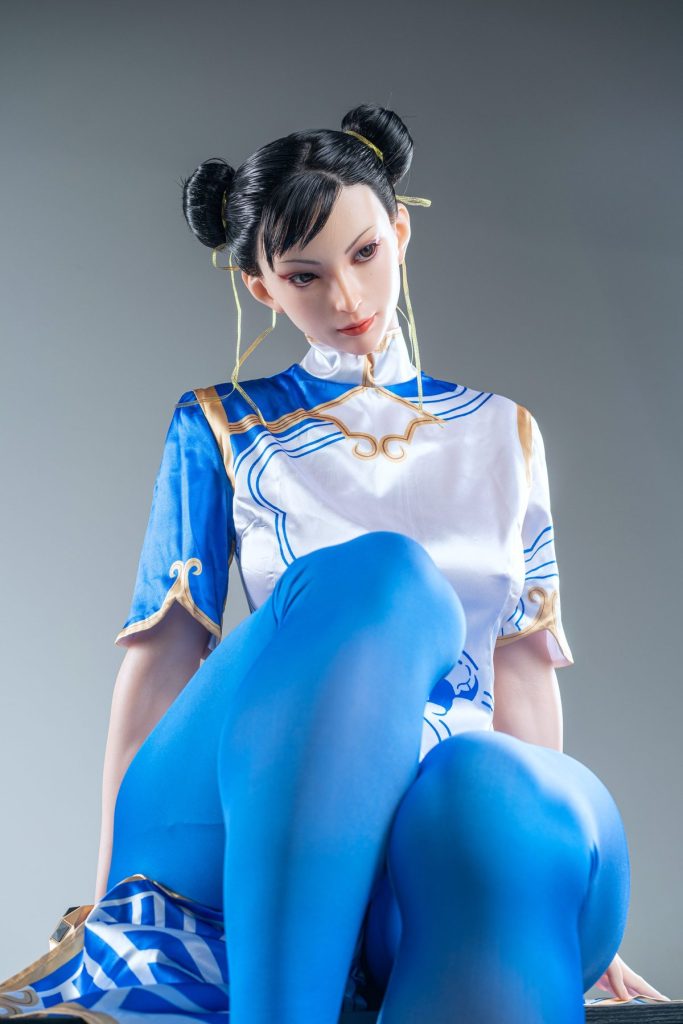
The evolution of anime merchandise, from small figurines to life-size dolls, has been a gradual process closely tied to the growth of anime culture itself. In the 1990s, anime merchandise was mostly lightweight collectibles such as posters, pins, and small-scale figurines. These items primarily served a symbolic purpose, allowing fans to express their emotional connection to a character or series. Limited production techniques and smaller markets at the time meant that merchandise was largely designed for display rather than interaction, and characters remained objects to be admired rather than companions.
As the 21st century arrived, advances in modeling and painting technology, combined with the rise of the fan economy, gave birth to high-precision figurines. Details such as facial expressions, body proportions, and paintwork became more refined, making characters feel closer to their original designs. Fans were willing to pay more for accuracy and craftsmanship, and merchandise gradually shifted from simple souvenirs to collectible items with real value. Characters moved beyond flat representations and began to feel more tangible.
The next stage came with life-size statues and full-scale models, marking a move into the “spatial presence” phase. Characters were no longer confined to display cases—they occupied real-life space. Life-size products emphasized accurate proportions and a strong sense of presence, bridging the gap between fictional characters and the physical world. Fans’ relationships with characters evolved from mere admiration to immersive interaction. At this stage, merchandise began to take on a companion-like quality, rather than serving solely as a collectible.
Building on this trajectory, highly tangible products such as the anime sex doll began to emerge and attract attention. These items are not a sudden outlier but a natural extension of the existing trend, combining fan attachment with advancements in realistic manufacturing. When a fan’s emotional connection to a character is strong and production techniques allow for high fidelity, a character can move from display object to a presence with physical touch. The product’s value shifts from “looking like the character” to “feeling real.”
Take the chun li sex doll as an example. Chun-Li’s enduring popularity reflects decades of cultural impact. Since her debut in arcade games, her design, personality, and symbolic significance have been reinforced through multiple media and generations of fans. This widespread recognition allows her to be reproduced across different merchandise formats, making her a natural candidate for high-fidelity products. Such items are not simple consumption—they are a tangible expression of long-term character influence.
Looking at the timeline as a whole, anime merchandise has progressed from small figurines to life-size dolls, and then to products with a stronger sense of physical reality. This evolution is driven by a combination of technological advances, market maturation, and deepening fan attachment. It is not merely a matter of upgrading consumer goods; it reflects how anime culture is increasingly integrated into daily life. As characters move from screens to real spaces, the meaning of merchandise shifts from “collection” to “relationship,” which is the most fascinating aspect of the evolution of anime merchandise.